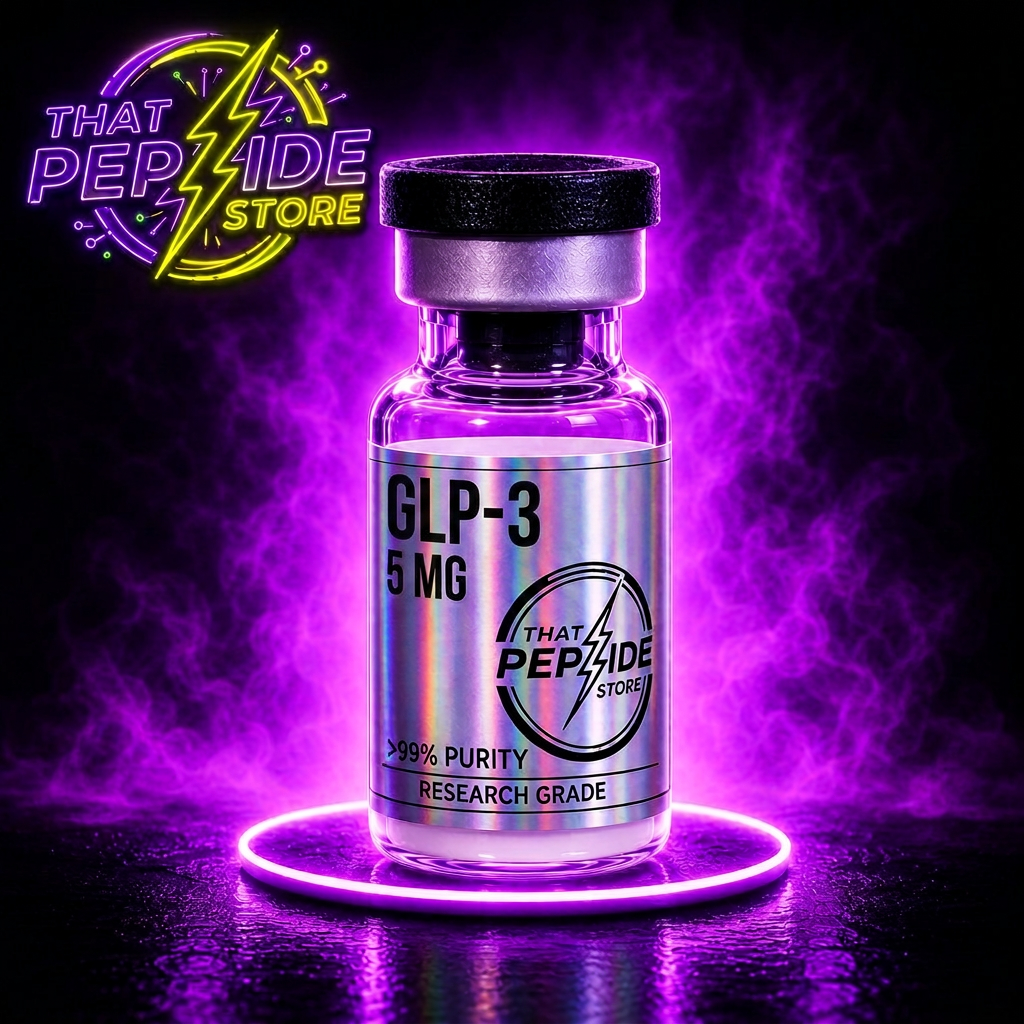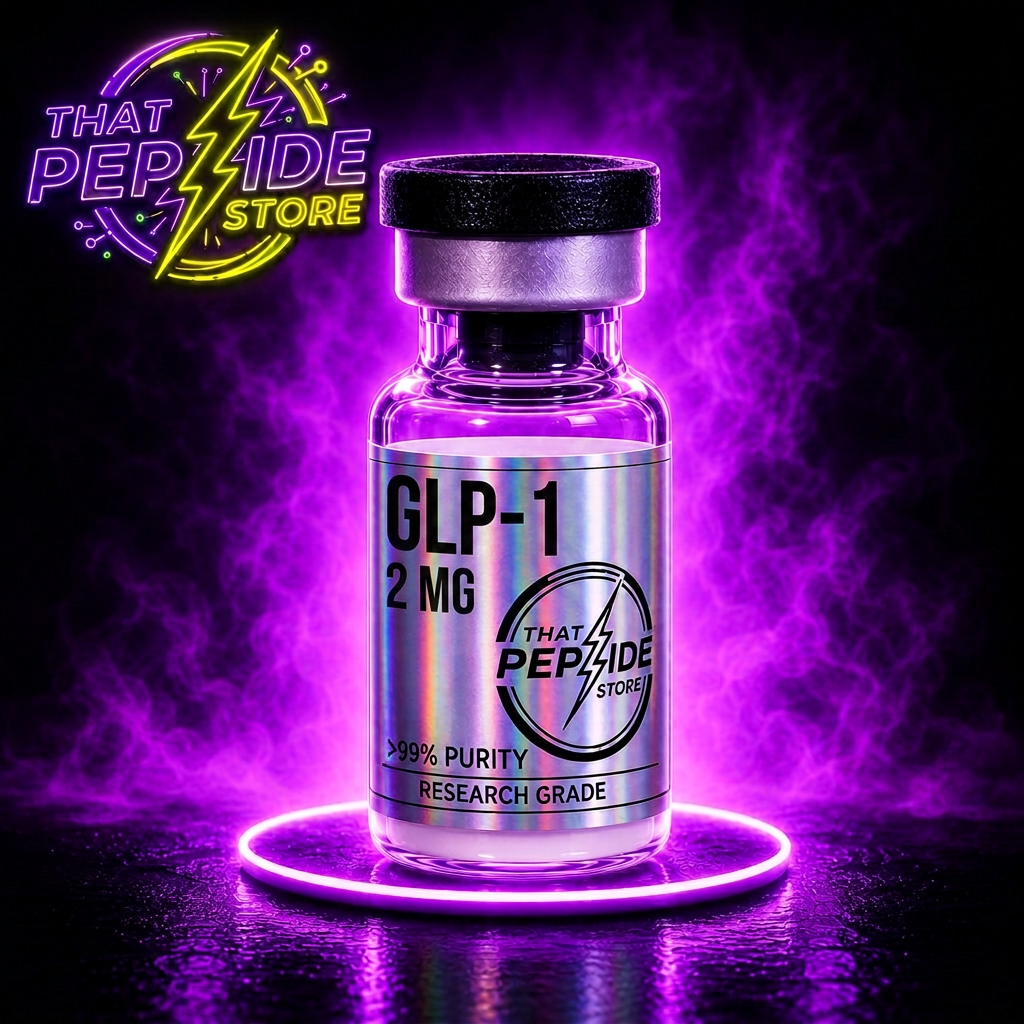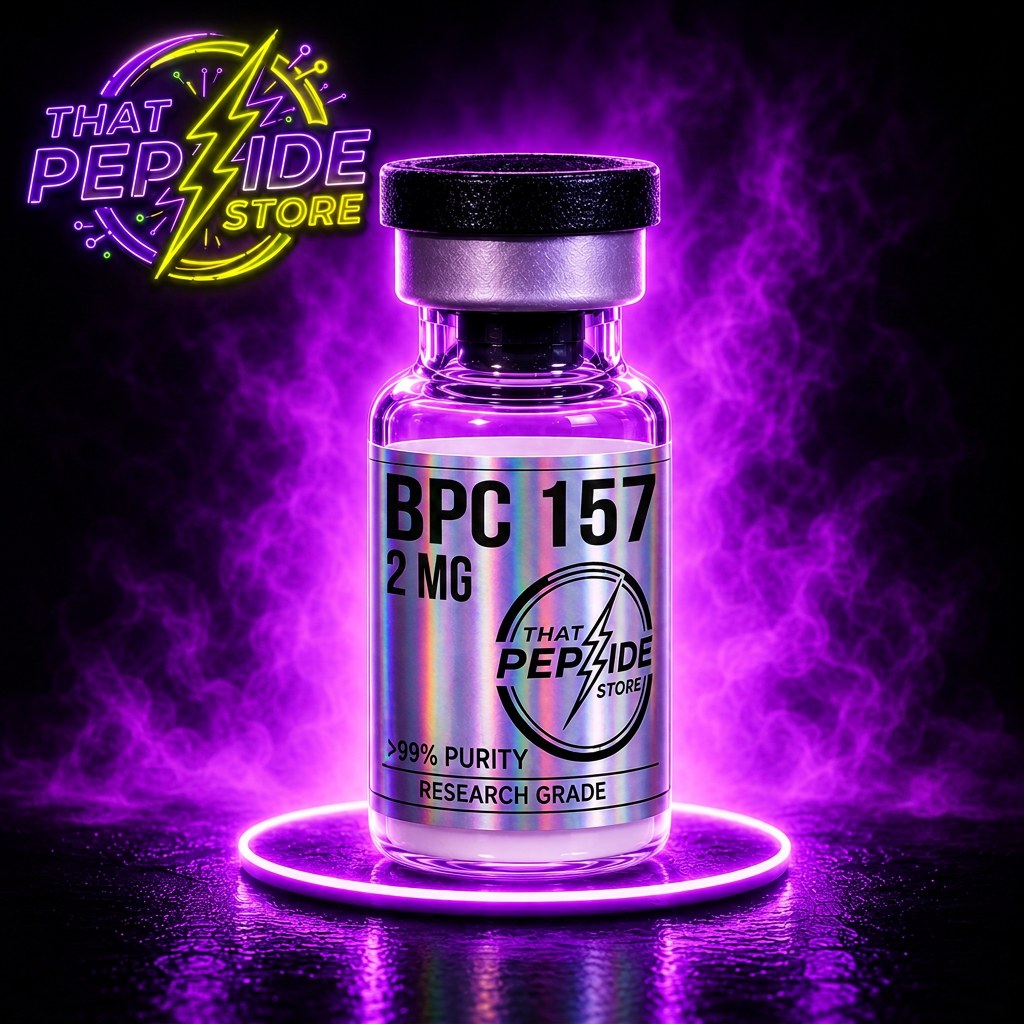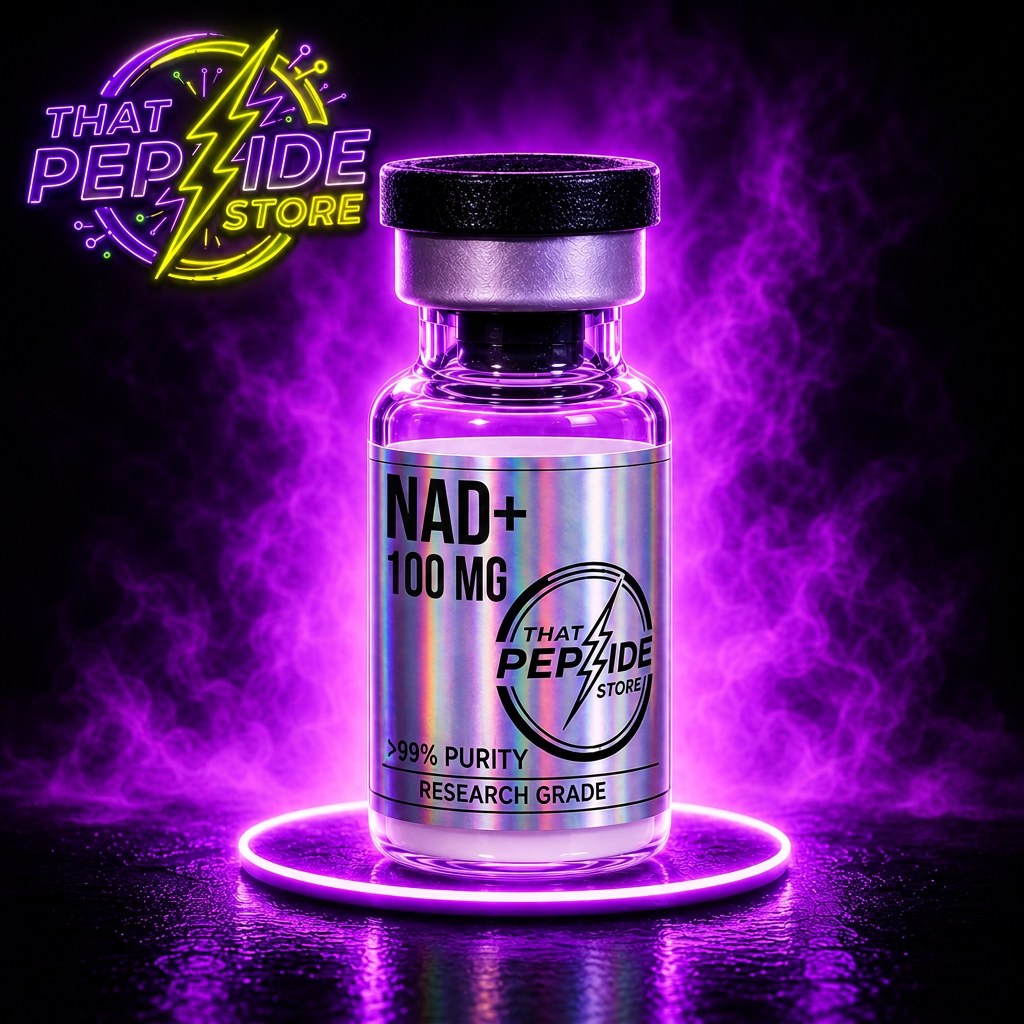
Research Peptide Supplier — Pretested, USA-Shipped, COA-Matched
Choosing a research peptide supplier comes down to three verifiable things: who synthesized the material, what the third-party analysis says about that exact lot, and how the vial reaches your bench. That Peptide Store publishes all three for every product we list.
Updated August 8, 2026
What separates a real supplier from a reseller
Most storefronts selling research compounds are drop-shippers. They never physically hold the material, cannot tell you which lot you received, and reuse a single generic certificate across every batch they sell. That makes independent verification impossible, which is the entire point of buying tested material.
A legitimate supplier ties each vial to a batch number, and that batch number to a dated analytical report from an independent lab. If a supplier cannot produce that link, treat the purity number on the product page as marketing copy.
- Batch number printed on the vial label and shown in your order
- Third-party HPLC purity and mass spec identity for that specific lot
- Sterility and endotoxin data where the product format calls for it
- US-based synthesis and fulfillment, so there is no customs interruption
- Cold-chain packing appropriate to the compound's stability profile
How to evaluate a research peptide supplier
Read the COA, not the product description
A valid Certificate of Analysis names the compound, the lot, the test date, the analytical method, and the lab that ran it. It shows a chromatogram, not just a number. If the document is an image with no lot reference, it proves nothing about the vial in your hand.
Check the shipping path
Lyophilized peptides tolerate ambient transit far better than reconstituted material, but heat exposure during long international transit still degrades sensitive sequences. Domestic fulfillment shortens that window and removes the customs hold that turns a three-day shipment into a three-week one.
Look for consistency across lots
Single-lot excellence is easy to buy. Consistency across lots is a process. Ask whether the supplier retains samples, whether they retest on a schedule, and what happens when a lot fails specification.
How we operate
Every lot we stock is synthesized in the United States and independently assayed before it is listed for sale. The COA is tied to the batch number, and the batch number follows the vial through packing, shipping, and your order history. Orders leave our Texas facility with insulated packing, and local delivery is available across the Permian Basin and major Texas metros.
All compounds are sold strictly for laboratory research and development. They are not for human or veterinary use, and nothing on this page is medical advice.
Frequently asked questions
- Do you provide a COA for the exact vial I receive?
- Yes. Each vial carries a batch number, and that batch number maps to the third-party HPLC and mass spec report for that specific lot — not a generic sample document.
- Where do you ship from?
- All orders ship domestically from our Texas facility. Most US destinations arrive in one to two business days, and same-day hand delivery is available in several Texas cities.
- Is there a minimum order?
- No. Single vials and full research quantities are both available, and wholesale pricing is offered for laboratory-volume orders.
- Are these compounds approved for human use?
- No. Everything we sell is for laboratory research and development only. It is not for human or veterinary consumption.